
Foods That Stabilize Blood Sugar
Explore our comprehensive guide to the most effective foods for maintaining healthy blood sugar levels. Learn which nutrient-dense options can support your nutritional goals and overall wellness.
The information on this site is for educational purposes only and does not constitute medical advice. Always consult a qualified healthcare professional before making health decisions.
Browse by Category
Featured Foods & Nutrient Profiles
Leafy Greens
Spinach, kale, and lettuce are low in carbohydrates and rich in essential minerals and antioxidants. These vegetables have minimal impact on blood sugar levels while providing valuable micronutrients that support overall metabolic health and nutrient absorption.
- Low carb density
- High in fiber
- Rich in magnesium
Eggs
Eggs are an excellent source of complete protein with virtually no carbohydrate content. They contain choline and lutein, making them one of nature's most nutrient-dense foods for supporting stable energy levels throughout the day without blood sugar spikes.
- Complete protein profile
- Zero carbohydrates
- Highly versatile
Fatty Fish
Salmon, mackerel, and sardines are rich in omega-3 fatty acids and high-quality protein. These foods support cardiovascular health and may help regulate appetite hormones, contributing to more stable energy and reduced food cravings throughout the day.
- Omega-3 rich
- High-quality protein
- Supports heart health
Legumes
Lentils, chickpeas, and black beans are packed with soluble fiber and resistant starch. These plant-based proteins digest slowly, promoting sustained energy release and helping maintain consistent blood sugar levels without rapid fluctuations or energy crashes.
- Rich in fiber
- Plant-based protein
- Slow digestion
Berries
Blueberries, raspberries, and blackberries contain anthocyanins and are lower in sugar compared to other fruits. Their high fiber content and polyphenol compounds make them excellent choices for supporting healthy blood sugar management while providing powerful antioxidant benefits.
- Lower sugar fruits
- Antioxidant rich
- Good fiber source
Whole Grains
Oats, quinoa, and brown rice retain their bran and germ layers, providing substantial fiber and slower carbohydrate digestion. When consumed in balanced portions, whole grains deliver sustained energy release and help prevent the rapid blood sugar fluctuations common with refined grain products.
- High fiber content
- Slow-release carbs
- B vitamins included
Nuts & Seeds
Almonds, walnuts, flaxseeds, and chia seeds offer healthy fats, plant-based proteins, and fiber in convenient forms. Their nutrient density and low net carbohydrate content make them ideal snacks for maintaining stable energy levels and supporting satiety between meals.
- Healthy fats
- Plant protein
- Portable nutrition
Greek Yogurt
Plain, unsweetened Greek yogurt provides double the protein of regular yogurt while containing minimal added sugars. The beneficial probiotics and calcium support digestive health, and the high protein content promotes stable satiety and reduced hunger hormones throughout the day.
- High protein content
- Probiotics included
- Low added sugar
Understanding Food Pairing for Better Results
The Power of Combining Foods
The way you combine different foods significantly impacts how your body processes carbohydrates and manages blood sugar stability. When you pair carbohydrate sources with adequate protein, healthy fats, and fiber, you create a meal matrix that slows digestion and prevents rapid glucose spikes.
For example, eating whole grain bread with eggs and avocado delivers fiber, protein, and fat simultaneously. This combination ensures that carbohydrates are absorbed more gradually, supporting consistent energy levels without the fatigue that follows traditional high-carb, low-fat meals.
Our comprehensive nutrition research demonstrates that strategic food combinations are more effective than focusing on single "super foods" in isolation. The synergy between nutrient profiles creates optimal metabolic conditions for sustained wellness.
Read Our Complete Food Guide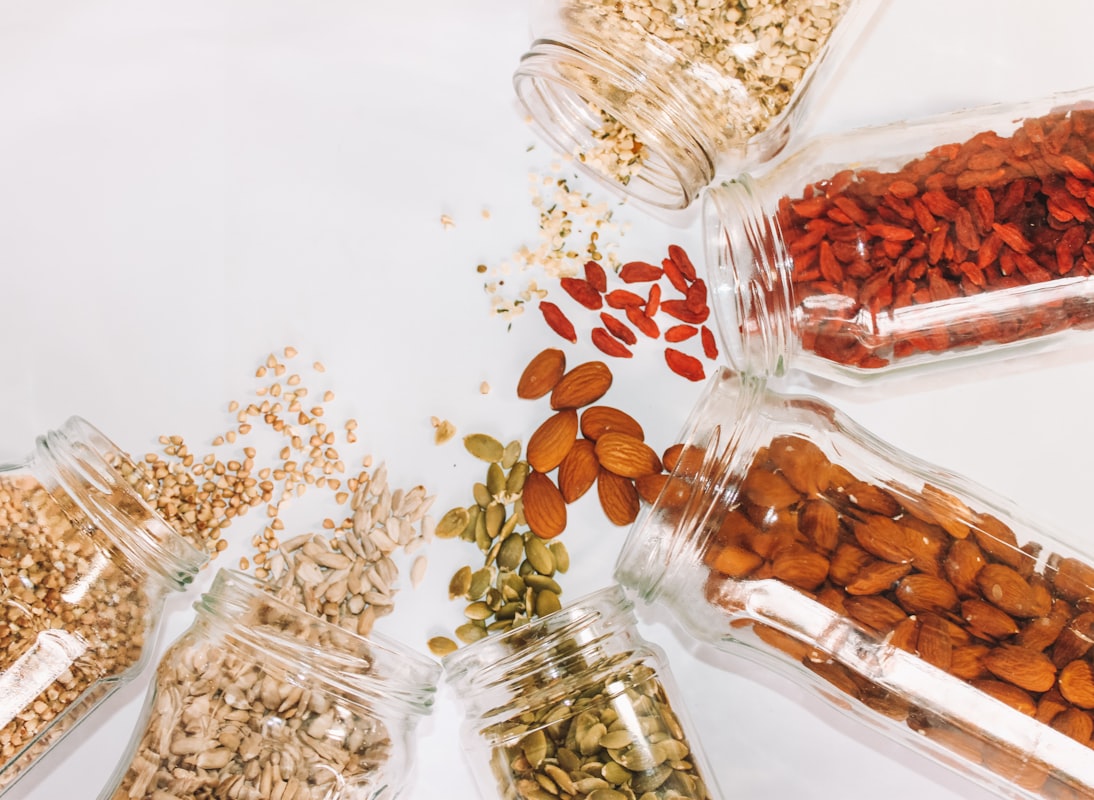
Frequently Asked Questions
Which foods should I avoid for better blood sugar stability?
Foods to minimize include refined carbohydrates like white bread, pasta, and sugary beverages, which digest quickly and cause rapid blood sugar spikes. Additionally, processed foods often contain added sugars and lack fiber. Instead, focus on whole foods: vegetables, legumes, nuts, seeds, fish, and unrefined grains that provide sustained energy release.
How much protein should I include in each meal?
Aim for 20-30 grams of protein per meal to support satiety and blood sugar stability. This could be two eggs, a palm-sized portion of fish, a cup of legumes, or 3-4 ounces of poultry. The specific amount depends on your body weight, activity level, and individual nutritional needs, so consulting our detailed nutrition resources is beneficial.
Are there any fruits that don't spike blood sugar?
Berries are excellent choices due to their lower sugar content and high fiber density. A serving of blueberries or raspberries has minimal impact on blood sugar compared to tropical fruits like bananas or mangoes. When eating fruit, pair it with protein or nuts to further slow carbohydrate digestion and prevent glucose fluctuations.
Can I eat carbohydrates if I'm focused on blood sugar control?
Absolutely. The key is choosing high-quality carbohydrates: whole grains, legumes, and starchy vegetables that provide fiber and essential nutrients. Portion size and timing matter too. Consuming carbs with protein and fat slows their digestion. Our detailed guides explain how to structure meals for optimal carbohydrate management without elimination.
How quickly should I see benefits from dietary changes?
Many people experience improved energy and reduced cravings within 1-2 weeks of consistent dietary modifications. More significant metabolic shifts typically develop over 4-8 weeks as your body adapts to stable nutrient intake patterns. Individual results vary based on starting point, consistency, overall lifestyle, and genetic factors.
Should meal timing matter for blood sugar stability?
Consistent meal timing helps regulate appetite hormones and supports metabolic predictability. Most nutrition research suggests eating within a reasonable window and avoiding extended periods without food. However, individual responses vary. Our content explores different meal timing approaches and how to identify what works best for your lifestyle and goals.
Deepen Your Understanding of Blood Sugar Nutrition
Explore our complete collection of evidence-based articles, detailed food profiles, and practical nutritional guidance. Our editorial team has compiled comprehensive resources to help you make informed choices about foods that support metabolic wellness.
Reader Insights & Feedback
This comprehensive guide to blood sugar foods has completely changed how I approach my nutrition. The detailed explanations about protein pairing and fiber content have helped me understand why certain meal combinations leave me feeling energized instead of exhausted by mid-afternoon.
Petra Novotná
Prague, Czech Republic
The food pairing section finally explained why I was having energy crashes despite eating "healthy" foods. Understanding how to combine whole grains with protein and healthy fats has made practical meal planning so much easier and more sustainable for my daily routine.
Martin Kučera
Brno, Czech Republic
As someone managing my nutritional wellness, the detailed profiles of each food category have been invaluable. The emphasis on whole foods and strategic combinations feels refreshing compared to other resources that promote extreme restriction. This is education-based, not shame-based.
Helena Svobodová
Ostrava, Czech Republic
Related Content & Resources
Complete Nutrition Guide
A detailed exploration of macro and micronutrients, their roles in metabolic health, and how to ensure balanced intake from whole food sources without supplementation dependency.
Read Guide →4-Week Meal Planning Framework
Practical guidance on structuring meals across four weeks using the stabilizing foods featured in our resource library, with emphasis on variety, sustainability, and enjoying nutritious eating patterns.
Explore Articles →Research & Scientific Foundation
An overview of the nutritional science behind blood sugar stability, citing peer-reviewed research and explaining how different nutrients interact to support consistent metabolic function.
Continue Your Nutritional Education
Sugarcontrolnutritionlab provides evidence-based content to help you understand how specific foods support stable energy and metabolic wellness. Explore our comprehensive resources, read detailed food analyses, and discover practical strategies for sustainable nutritional habits.
For content feedback or editorial inquiries, contact us at [email protected]